Finding the right SEO backlink software can transform your link building from a time-consuming manual process into a strategic, data-driven operation. With hundreds of tools claiming to boost your rankings, choosing the wrong one wastes months of effort and budget. This guide breaks down the essential backlink software categories, features to prioritize, and specific tools that deliver measurable results for different business needs.
Understanding SEO Backlink Software Categories
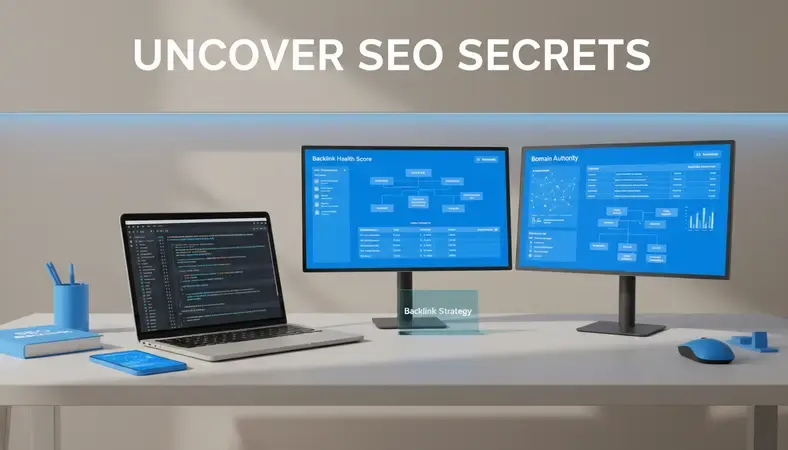
SEO backlink software falls into distinct categories, each serving specific functions in your link building strategy. Understanding these categories helps you select tools that complement rather than duplicate your existing workflow.
Backlink analysis tools focus on examining your current link profile and identifying opportunities. These platforms crawl the web to discover who links to your site, analyze the quality of those links, and track changes over time. They're essential for understanding your baseline and measuring improvement.
Competitor research platforms specialize in reverse-engineering successful link building strategies. They reveal where competitors acquire their best links, which content attracts the most backlinks, and gaps in their link profiles you can exploit.
Link building automation software streamlines outreach and relationship management. These tools help you find contact information, send personalized emails at scale, and track response rates across campaigns.
Monitoring and alert systems watch for new backlinks, lost links, and changes in link quality. They provide real-time notifications when competitors gain valuable links or when your own links disappear.
Key Software Categories Comparison
| Category | Primary Function | Best For | Typical Cost Range |
|---|---|---|---|
| Analysis Tools | Link profile examination | Audits and baseline assessment | Contact for pricing |
| Competitor Research | Reverse-engineering strategies | Finding new opportunities | Contact for pricing |
| Automation Platforms | Outreach and relationship management | Scaling link building campaigns | Contact for pricing |
| Monitoring Systems | Real-time link tracking | Ongoing maintenance | Contact for pricing |
Best SEO Backlink Software Tools
Comprehensive Analysis Platforms
Ahrefs dominates the backlink analysis space with the world's second-largest web crawling database. The platform updates its index every 15 minutes, providing near real-time backlink data. Ahrefs excels at identifying referring domains, analyzing anchor text distribution, and tracking domain rating changes over time.
The Site Explorer tool reveals your complete backlink profile, including historical data going back years. You can filter by link type, follow/nofollow status, and domain strength to focus on the most valuable connections. The Content Explorer feature shows which pages in your niche attract the most backlinks, helping you identify content gaps and opportunities.
SEMrush combines backlink analysis with broader SEO functionality. The Backlink Analytics tool provides detailed competitor link profiles, while the Link Building Tool suggests prospects based on your competitors' link sources. SEMrush's strength lies in integrating backlink data with keyword rankings, helping you understand which links drive the most organic traffic growth.
The platform's Backlink Audit feature automatically identifies toxic links that could harm your rankings. It provides a disavow file ready for Google Search Console, streamlining the cleanup process for sites with link penalties.
Specialized Competitor Research Tools
SpyFu focuses specifically on competitive intelligence, making it easier to understand competitor link building strategies without overwhelming data. The platform shows exactly which keywords drive traffic to competitor pages and which sites link to those high-performing pages.
The Backlink Outreach tool identifies websites that link to multiple competitors but not to your site, creating a prioritized prospect list. SpyFu's historical data goes back 15 years, revealing long-term link building patterns and seasonal opportunities.
Link Building Automation Solutions
Pitchbox streamlines the entire outreach process from prospect research to follow-up sequences. The platform integrates with major SEO tools to import prospect lists, then uses AI to find contact information and personalize outreach messages.
Pitchbox's strength lies in campaign management and team collaboration. You can assign prospects to team members, track response rates by message template, and automatically follow up with non-responders. The platform maintains detailed records of all interactions, preventing duplicate outreach and building long-term relationships.
BuzzStream takes a relationship-first approach to link building automation. The platform helps you build and maintain a database of contacts in your industry, tracking all interactions and collaboration history. This approach works particularly well for businesses focused on long-term relationship building rather than one-off link requests.
The research tools help you identify decision-makers at target publications, while the email templates and scheduling features ensure consistent follow-up without appearing automated.
Features to Look for in Backlink Software
Data Accuracy and Freshness
The foundation of effective backlink software is accurate, up-to-date data. Look for platforms that update their link databases frequently—ideally daily or weekly rather than monthly. Fresh data helps you respond quickly to new link opportunities and identify lost links before they impact rankings.
Database size matters less than crawl frequency and data verification. A smaller database that's updated regularly provides more actionable insights than a massive database with stale information. The best tools combine large-scale crawling with manual verification processes to ensure accuracy.
Historical data retention allows you to track long-term trends and understand the impact of your link building efforts over time. Platforms that store 6-12 months of historical data help you identify patterns and measure campaign effectiveness.
Integration Capabilities
Modern SEO workflows require tools that work together seamlessly. Look for backlink software that integrates with your existing SEO tools, CRM systems, and content management platforms. Native integrations save hours of manual data export and import.
API access enables custom integrations and automated reporting. If you manage multiple clients or need to combine backlink data with other metrics, API functionality becomes essential for scaling your operations.
Export options should include multiple formats (CSV, Excel, PDF) and customizable data fields. The ability to create white-label reports helps agencies present professional deliverables to clients.

User Interface and Learning Curve
Backlink software often contains overwhelming amounts of data. The best platforms present complex information in intuitive, actionable formats. Look for tools with customizable dashboards that highlight the metrics most important to your specific goals.
Filtering and sorting capabilities help you focus on high-value opportunities without getting lost in thousands of low-quality prospects. Advanced filters by domain authority, traffic estimates, and relevance scores streamline your workflow significantly.
Educational resources and customer support quality vary dramatically between platforms. Tools with comprehensive training materials, video tutorials, and responsive support teams reduce the time investment required to become proficient.
Backlink Analysis and Monitoring Capabilities
Real-Time Link Discovery
The speed at which you discover new backlinks directly impacts your ability to capitalize on opportunities and address threats. Leading platforms now offer real-time notifications when new links appear, allowing you to thank linkers, amplify positive mentions, and respond to negative coverage immediately.
Alert customization lets you focus on the most important changes. Set up notifications for links from high-authority domains, mentions of specific keywords, or links to competitor content. Avoid alert fatigue by filtering out low-value notifications that don't require immediate action.
Link verification features help distinguish between genuine new links and temporary mentions that may disappear. Some platforms automatically re-check new links after 48-72 hours to confirm they're permanent additions to your link profile.
Historical Trend Analysis
Understanding how your link profile evolves over time reveals the long-term impact of your strategies. Look for tools that track domain authority changes, referring domain growth, and anchor text distribution shifts across months and years.
Correlation analysis helps you connect specific campaigns or content pieces to measurable link growth. The best tools let you add campaign markers to your timeline, making it easy to see which efforts drove the most valuable links.
Competitive benchmarking over time shows whether you're gaining or losing ground relative to competitors. Monthly snapshots of competitor link profiles help you identify when rivals launch successful campaigns and adapt your strategy accordingly.
Competitor Backlink Research Tools
Reverse Engineering Link Strategies
Successful competitor analysis goes beyond simply listing where competitors get their links. The most valuable insights come from understanding the content strategies, relationship patterns, and timing that make competitor campaigns successful.
Content gap analysis reveals topics that attract links in your industry but that you haven't covered yet. Look for tools that can identify the specific content formats (guides, tools, studies) that consistently earn links in your niche.
Link acquisition patterns show you the optimal timing and frequency for outreach campaigns. Some competitors may focus on seasonal campaigns, while others maintain steady year-round efforts. Understanding these patterns helps you avoid oversaturated periods and capitalize on quieter opportunities.
Relationship mapping identifies the publications and websites that regularly link to competitors. These represent your highest-probability prospects, as they've already demonstrated interest in your topic area and willingness to link to commercial content.
Opportunity Identification
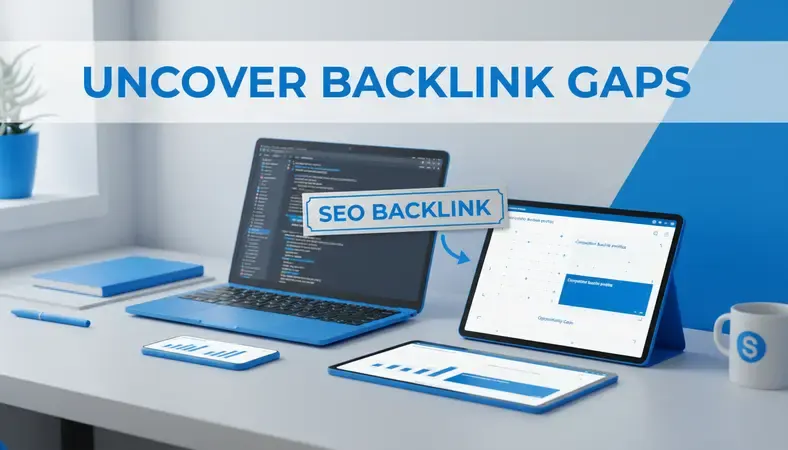
The most actionable competitor research focuses on link gaps—sites that link to multiple competitors but not to your business. These represent qualified prospects who already understand your industry and have established linking relationships.
Broken link opportunities emerge when competitor content that attracted many links becomes outdated or disappears. Tools that identify these situations let you create updated content and reach out to sites with broken links, offering your content as a replacement.
Content format analysis reveals which types of content (infographics, research studies, tools) perform best for link building in your space. This intelligence guides your content creation strategy toward formats with proven link-earning potential.
Competitive Intelligence Features Comparison
| Feature | Ahrefs | SEMrush | SpyFu | Majestic |
|---|---|---|---|---|
| Historical Data | 7+ years | 5+ years | 15+ years | 10+ years |
| Link Gap Analysis | Advanced | Advanced | Basic | Advanced |
| Content Analysis | Comprehensive | Comprehensive | Limited | Basic |
| Prospect Export | Unlimited | Limited by plan | Unlimited | Limited |
| Real-time Alerts | Yes | Yes | No | Yes |
Link Building Automation Features
Prospect Research Automation
Manual prospect research consumes enormous amounts of time that could be spent on relationship building and content creation. Advanced automation tools can identify relevant websites, find contact information, and score prospects based on likelihood to link—all without manual intervention.
Domain scoring algorithms evaluate prospects based on authority metrics, relevance to your niche, and historical linking patterns. The best systems learn from your successful campaigns, improving their recommendations over time.
Contact finding tools search multiple databases and social networks to locate decision-makers at target publications. Look for platforms that verify email addresses and provide confidence scores for contact accuracy.
Personalization at scale uses website data, recent content, and social media activity to customize outreach messages automatically. While human review remains essential, automation can handle basic research and template customization.

Email Campaign Management
Effective link building requires consistent follow-up and relationship nurturing. Automation platforms help you maintain professional communication without losing the personal touch that builds genuine relationships.
Sequence automation sends follow-up emails at optimal intervals based on recipient behavior. The best systems pause sequences when prospects engage with your content or visit your website, preventing over-communication.
Response categorization uses AI to sort incoming emails by intent—positive responses, requests for more information, rejections, and out-of-office replies. This helps you prioritize high-value conversations and avoid wasting time on dead-end prospects.
Performance tracking measures open rates, response rates, and conversion rates by message template, sender, and prospect category. This data helps you optimize your outreach strategy and identify the most effective approaches for different types of sites.
Relationship Management
Long-term link building success depends on maintaining relationships with editors, bloggers, and content creators in your industry. CRM-style features help you track interaction history and identify opportunities for ongoing collaboration.
Contact scoring rates relationships based on past interactions, link placements, and engagement levels. High-scoring contacts deserve more personalized attention and exclusive content opportunities.
Collaboration tracking records all touchpoints with each contact—emails sent, links received, social media interactions, and in-person meetings. This context helps team members pick up conversations and avoid repeating previous discussions.
Opportunity alerts notify you when contacts publish content relevant to your expertise or when they mention topics you could contribute to. Timely responses to these opportunities often result in natural link placements.
Pricing and ROI Comparison
Cost Structure Analysis
SEO backlink software pricing varies dramatically based on features, data limits, and user access. Understanding the cost structure helps you select tools that align with your budget and usage patterns.
Per-user pricing works well for small teams but becomes expensive as you scale. Look for platforms that offer team plans or unlimited user access if you need to provide access to multiple team members or clients.
Data usage limits often represent the hidden costs in SEO tools. Some platforms charge extra for additional domain analyses, competitor reports, or API calls. Factor these potential overages into your budget planning.
Contract flexibility varies significantly between vendors. Some tools require annual commitments with steep cancellation penalties, while others offer month-to-month flexibility. Consider your business stability and growth plans when evaluating contract terms.
ROI Measurement Framework
Calculating the return on investment for backlink software requires tracking both direct and indirect benefits. Direct benefits include time savings from automation and increased efficiency in prospect identification. Indirect benefits encompass improved rankings, increased organic traffic, and higher conversion rates.
Time savings quantification measures the hours saved through automation and improved workflows. If your team previously spent 20 hours per week on manual prospect research, and software reduces this to 5 hours, the time savings alone may justify the investment.
Link acquisition cost compares the cost per acquired link before and after implementing new tools. Include software costs, team time, and any additional expenses in your calculations. A tool that doubles your link acquisition rate while increasing costs by only 30% provides clear ROI.
Traffic and ranking improvements represent the ultimate measure of backlink software success. Track organic traffic growth, keyword ranking improvements, and conversion rate changes that correlate with your link building efforts.
Integration with SEO Platforms
Native Tool Integrations
The most efficient SEO workflows connect backlink software with broader SEO platforms, eliminating manual data transfers and providing comprehensive performance views. Look for tools that integrate natively with Google Search Console, Google Analytics, and major SEO platforms.
Google Search Console integration allows you to correlate link building efforts with actual ranking improvements and traffic changes. The best tools can show which new links coincide with ranking jumps for specific keywords.
Content management system connections streamline the process of updating internal linking structures and optimizing pages that attract new backlinks. WordPress plugins and API integrations automate many routine optimization tasks.
Reporting platform integration enables automated client reporting and performance dashboards. Instead of manually compiling data from multiple sources, integrated tools can generate comprehensive reports that combine backlink metrics with traffic and ranking data.
Data Export and API Capabilities
Advanced users often need to combine backlink data with proprietary analytics systems or custom reporting tools. Robust API access and flexible export options enable these advanced use cases.
API rate limits and data access restrictions vary significantly between platforms. High-volume users should verify that API limitations won't constrain their intended usage before committing to a platform.
Custom field mapping allows you to structure exported data to match your existing systems and workflows. Look for tools that let you customize column headers, data formats, and filtering criteria in exports.
Webhook support enables real-time data synchronization between your backlink tools and other systems. This functionality is particularly valuable for agencies managing multiple clients or businesses with complex attribution models.
Common Questions About SEO Backlink Software
How often should backlink data be updated?
Daily updates provide the most actionable intelligence for active link building campaigns. However, weekly updates suffice for most businesses focused on long-term strategy rather than real-time opportunity response. The key is consistency—irregular updates make it difficult to track trends and measure campaign effectiveness.
Real-time alerts for high-value links (from authoritative domains in your industry) justify the premium that some platforms charge for frequent updates. But avoid paying for daily updates if you only review backlink data monthly.
What's the difference between free and paid backlink tools?
Free backlink tools typically provide limited data samples—perhaps 100 backlinks instead of your complete profile—and update less frequently. They're useful for basic competitive research but insufficient for comprehensive link building campaigns.
Paid tools offer complete data sets, advanced filtering options, historical tracking, and integration capabilities. The investment pays off quickly if you're actively building links, as the time savings and improved targeting more than offset the software costs.
Free tools work well for small businesses doing occasional competitive research. But if link building represents a significant part of your marketing strategy, paid tools become essential for efficiency and effectiveness.
How do I verify backlink data accuracy?
Cross-reference findings between multiple tools to identify discrepancies and verify important discoveries. No single platform captures 100% of the web's links, so using 2-3 tools provides more complete coverage.
Manually verify high-value opportunities before investing significant outreach effort. Visit the linking site, confirm the link exists, and check that it's followed and contextually relevant. Tools sometimes report links that have been removed or were never followed.
Set up Google Search Console to track your actual backlink profile according to Google's index. While this data updates slowly, it represents the authoritative source for which links Google recognizes and values.
Should I focus on domain authority or relevance when evaluating prospects?
Relevance trumps raw authority for sustainable link building success. A link from a moderately authoritative site in your exact niche provides more value than a high-authority link from an unrelated industry. Search engine optimization algorithms increasingly prioritize topical relevance over pure domain metrics.
However, don't ignore authority entirely. The ideal prospects combine strong domain authority with clear relevance to your business. These sites provide both immediate SEO value and qualified referral traffic.
Use authority metrics as a tiebreaker between equally relevant prospects, not as the primary selection criteria. A balanced link profile includes both high-authority and highly-relevant sources.
How many backlink tools do I actually need?
Most businesses achieve optimal efficiency with 2-3 specialized tools rather than one comprehensive platform. A primary analysis tool (like Ahrefs or SEMrush) handles most research needs, while a specialized outreach platform manages campaign execution.
Avoid tool overlap that duplicates functionality without adding value. Two tools with identical features waste money and create workflow confusion. Instead, select complementary tools that excel in different areas of the link building process.
Start with one comprehensive tool to establish your baseline and understand your needs. Add specialized tools only when you identify specific gaps in functionality that impact your results.
What metrics matter most for tracking backlink software ROI?
Referring domains growth provides the clearest measure of link building success. Track new referring domains acquired per month and compare periods before and after implementing new tools or strategies.
Organic traffic increases represent the ultimate goal of link building efforts. Use Google Analytics to measure organic traffic growth and correlate increases with major link acquisitions or backlink campaigns.
Time efficiency metrics quantify the operational benefits of better tools. Measure hours spent on prospect research, outreach, and relationship management before and after tool implementation. Significant time savings often justify software investments even before considering SEO improvements.
The Bottom Line
Choosing the right SEO backlink software depends on your specific needs, team size, and link building strategy. Focus on tools that provide accurate, fresh data while streamlining your most time-consuming tasks. Start with one comprehensive platform to establish your baseline, then add specialized tools as your campaigns become more sophisticated. Automate your backlink strategy at LinkLoop — streamline prospect research and outreach for faster link acquisition. Ready to get started? Visit LinkLoop to learn more.
Leave a Reply