Blog

  • SEO Tools: Ahrefs vs SEMrush vs Moz Comparison

    SEO Tools: Ahrefs vs SEMrush vs Moz Comparison

    Automated SEO tools have fundamentally changed how professionals approach search engine optimization. Instead of manually checking rankings, analyzing competitors, and tracking backlinks one by one, these platforms handle thousands of data points simultaneously. For SEO specialists managing multiple campaigns, automated SEO tools can reduce routine analysis from hours to minutes while providing deeper insights than manual methods ever could.

    This comparison breaks down the three leading automated SEO tools—Ahrefs, SEMrush, and Moz—to help you choose the right platform for your specific needs and budget.
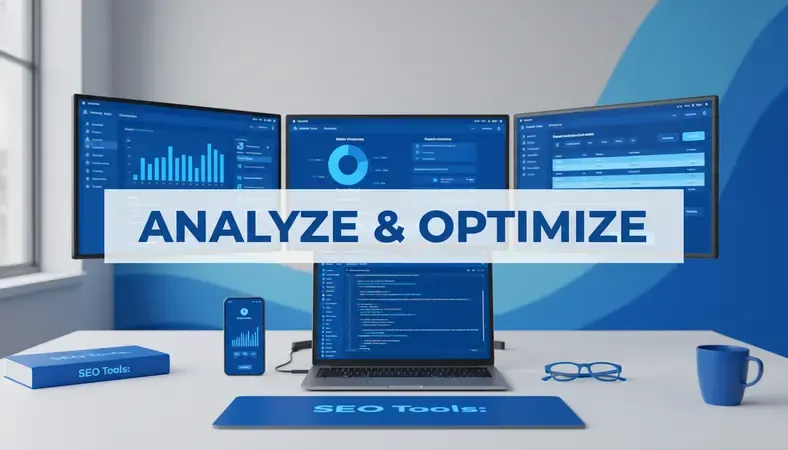
    Three computer screens showing different SEO tool dashboards with charts and analytics data

    Understanding Your Automated SEO Tool Options

    The automated SEO tools market centers around three dominant platforms, each with distinct strengths. Ahrefs excels at backlink analysis and content research. SEMrush offers the most comprehensive feature set for agencies. Moz focuses on beginner-friendly tools with strong local SEO capabilities.

    These aren't just ranking trackers. Modern automated SEO tools combine multiple functions: keyword research, competitor analysis, backlink monitoring, content optimization, and technical audits. The key difference lies in how each platform prioritizes these features and presents the data.

    Quick Comparison of Leading SEO Platforms

    Platform Best For Primary Strength Starting Price
    Ahrefs Content creators and link builders Backlink analysis and content research Contact for quote
    SEMrush Agencies and comprehensive campaigns All-in-one marketing suite Contact for quote
    Moz Small businesses and local SEO User-friendly interface and local tools Contact for quote

    Each platform approaches automated SEO tools differently. Ahrefs built its reputation on having the largest backlink index. SEMrush expanded from PPC research into a full marketing platform. Moz pioneered many SEO metrics still used industry-wide, like Domain Authority.

    Best Automated SEO Tools for Link Building

    Link building represents where automated SEO tools deliver the most dramatic time savings. Manual prospecting might identify 10-20 potential link targets per day. Automated tools can analyze thousands of prospects in minutes.

    Ahrefs dominates link building automation through its Content Explorer and Broken Link Checker. Content Explorer searches across millions of pages for content mentioning your target keywords, then filters by Domain Rating, traffic, and social shares. The Broken Link Checker identifies dead links on high-authority sites—perfect opportunities for link replacement outreach.

    SEMrush approaches link building through its Backlink Analytics and Link Building Tool. The platform identifies your competitors' newest backlinks automatically, alerting you to fresh opportunities. Its prospecting tool suggests websites likely to link to your content based on historical patterns.

    Moz takes a different approach with its Link Explorer, focusing on link quality over quantity. The tool's spam score helps identify risky backlinks during audits, while its link intersect feature shows which sites link to multiple competitors but not to you.

    Key Insight: Ahrefs processes over 6 billion pages daily for its backlink index, making it the most comprehensive for link prospecting automation.

    Features to Look for in SEO Automation Software

    The most valuable automated SEO tools share several core capabilities that separate them from basic rank trackers or keyword tools.

    Real-time data processing stands as the foundation. Quality platforms update rankings daily, refresh backlink data weekly, and monitor technical issues continuously. This constant data flow enables automated alerts when rankings drop, competitors gain links, or technical problems emerge.

    Competitive intelligence automation transforms how you monitor rivals. Advanced platforms track competitors' new keywords, content publication schedules, and backlink acquisition patterns. This intelligence arrives as automated reports rather than requiring manual checks.

    Content optimization features guide creation and improvement. Tools analyze top-ranking pages for target keywords, suggesting optimal content length, related topics to cover, and semantic keywords to include. Some platforms now integrate AI to generate content briefs automatically.

    Key automation features to prioritize:

    • Automated reporting: Scheduled delivery of ranking, traffic, and backlink reports
    • Alert systems: Instant notifications for ranking changes, new backlinks, or technical issues
    • Competitor monitoring: Automatic tracking of competitor keyword gains and content publication
    • Content gap analysis: Identification of keywords competitors rank for that you don't
    • Technical SEO audits: Scheduled crawls identifying broken links, missing meta tags, and site speed issues

    Automated SEO Tools vs Manual SEO Strategies

    The choice between automated SEO tools and manual strategies isn't binary—most successful campaigns combine both approaches strategically.

    Manual SEO excels in relationship building and creative strategy. No tool can automate genuine relationship building with journalists, influencers, or industry partners. Manual outreach often achieves higher response rates because it allows for personalized, contextual communication that automated tools can't replicate.

    Automated SEO tools dominate data analysis and monitoring. Tracking 1,000+ keywords manually takes weeks. Automated tools provide the same analysis in minutes, with historical trend data and competitive comparisons that manual tracking can't match.

    When to Use Manual vs Automated Approaches

    Task Manual Approach Automated Approach
    Keyword Research Industry expertise and user intent analysis Large-scale data gathering and trend identification
    Content Creation Strategy, creativity, and brand voice Content briefs, optimization suggestions, and performance tracking
    Link Building Relationship building and personalized outreach Prospect identification and opportunity discovery
    Technical SEO Complex problem solving and custom solutions Regular audits and issue identification

    The most effective SEO strategies use automated SEO tools for data gathering and monitoring, then apply manual expertise for strategy and execution. For example, use tools to identify content gaps, but manually craft the content strategy to fill them.

    Top SEO Tools for Backlink Analysis and Monitoring

    Backlink analysis represents the most mature area of SEO automation, with tools offering sophisticated monitoring and analysis capabilities.

    Ahrefs leads in backlink discovery and analysis. Its Site Explorer provides comprehensive backlink profiles with referring domains, anchor text distribution, and link quality metrics. The platform's strength lies in identifying new backlinks quickly—often within hours of publication.

    SEMrush excels at competitive backlink analysis. The Backlink Gap tool compares your link profile against up to four competitors simultaneously, highlighting opportunities where multiple competitors have links but you don't. This competitive approach helps prioritize high-impact prospects.

    Moz focuses on link quality assessment. Its spam score algorithm helps identify potentially harmful backlinks during audits. The platform's Page Authority and Domain Authority metrics, while not official Google search ranking factors, correlate strongly with ranking performance.

    Essential backlink monitoring features:

    • New backlink alerts: Notifications when sites link to your content or mention your brand
    • Lost backlink tracking: Identification when valuable backlinks disappear
    • Competitor backlink monitoring: Alerts when competitors gain high-quality backlinks
    • Anchor text analysis: Tracking of anchor text distribution to avoid over-optimization
    • Link quality scoring: Assessment of backlink value and potential risk

    Split-screen showing backlink analysis dashboards with link quality metrics and competitor comparison charts

    How to Integrate Automated SEO Tools into Your Workflow

    Successful integration of automated SEO tools requires structured workflows that balance automation with human insight. The goal is leveraging tools for efficiency while maintaining strategic control.

    Start with automated monitoring and reporting. Set up daily ranking reports, weekly backlink summaries, and monthly technical audits. This foundation ensures no critical changes go unnoticed while freeing time for strategic work.

    Establish trigger-based workflows. Configure alerts that prompt specific actions: ranking drops trigger content review, new competitor backlinks prompt outreach analysis, technical errors trigger immediate fixes. This approach ensures consistent response to important changes.

    Create content production workflows that combine automated research with manual execution. Use tools for keyword research and content gap analysis, then manually develop content strategies that address user intent and brand positioning.

    Integration best practices:

    1. Morning routine: Check overnight alerts and ranking changes
    2. Weekly analysis: Review competitor activity and new opportunities
    3. Monthly strategy: Analyze broader trends and adjust campaign focus
    4. Quarterly audits: Comprehensive review of tool performance and workflow optimization

    The key is avoiding tool overload. Many teams try using every available feature, leading to analysis paralysis. Focus on the metrics that directly impact your specific goals.

    ROI and Cost Comparison of SEO Automation Platforms

    Understanding the return on investment for automated SEO tools requires looking beyond monthly subscription costs to time savings and opportunity identification.

    Time savings provide the most immediate ROI. Tasks that previously required full workdays—comprehensive keyword research, competitor analysis, backlink audits—now complete in hours. For agencies billing hourly, this efficiency directly translates to profitability.

    Opportunity identification offers longer-term value. Automated tools excel at spotting trends and opportunities human analysts might miss. Early identification of rising keywords, competitor content gaps, or link building prospects can provide significant competitive advantages.

    Cost-Benefit Analysis Framework

    Investment Factor Consideration Impact on ROI
    Tool Subscription Monthly platform costs Direct expense
    Training Time Learning curve for team members Short-term productivity decrease
    Time Savings Reduced manual analysis time Immediate efficiency gains
    Opportunity Value Revenue from identified opportunities Long-term competitive advantage

    Small businesses often see the fastest ROI from automated SEO tools because manual processes consume disproportionate time. A solo practitioner might recover tool costs within weeks through improved efficiency.

    Enterprise teams benefit more from advanced features like API access, white-label reporting, and team collaboration tools. The ROI calculation includes reduced coordination overhead and improved client satisfaction.

    Pro Tip: Track specific metrics before and after tool implementation—time spent on routine tasks, number of opportunities identified, and campaign performance improvements—to calculate actual ROI.

    Bar charts comparing time savings and opportunity identification across different SEO tool implementations

    Automated SEO Tools for Adult Industry Niche

    The adult industry faces unique SEO challenges that require specialized approaches within automated SEO tools. Traditional platforms work, but certain features become more critical while others provide less value.

    Backlink analysis takes on heightened importance in adult SEO. The industry's link building opportunities often come from niche directories, industry publications, and specialized communities that general SEO tools might not fully capture. Automated monitoring becomes essential for tracking these specialized link sources.

    Keyword research requires more nuanced filtering. Adult industry keywords often face advertising restrictions and different search patterns. Automated SEO tools help identify long-tail opportunities and semantic variations that avoid direct restrictions while maintaining search volume.

    Content optimization faces additional complexity. Search engines apply different standards to adult content, making automated technical audits more valuable for identifying issues that could impact visibility. Regular monitoring helps ensure compliance with evolving platform policies.

    LinkLoop specializes in addressing these challenges through automated backlink acquisition and content optimization specifically designed for adult industry SEO. The platform understands the unique link building opportunities and restrictions that affect adult sites.

    Adult industry SEO automation priorities:

    • Specialized backlink sources: Tools that understand industry-specific link opportunities
    • Policy compliance monitoring: Automated checks for content and technical compliance
    • Niche keyword research: Discovery of opportunities within industry-specific search patterns
    • Reputation monitoring: Tracking mentions and sentiment across specialized platforms

    Common Questions About Automated SEO Tools

    How accurate are automated SEO tool rankings compared to manual checking?

    Modern automated SEO tools achieve 95%+ accuracy for ranking data by using the same APIs and data sources that power search engines. The slight variations you might notice come from personalization factors—location, device type, and search history—that affect individual searches but don't impact the core ranking data these tools provide.

    Manual checking introduces more variables than automated tools. Your location, previous searches, and device settings all influence what you see, making manual checks less reliable for consistent monitoring across campaigns.

    Can automated SEO tools replace human SEO expertise entirely?

    Automated SEO tools excel at data gathering, monitoring, and identifying opportunities, but they cannot replace strategic thinking and creative execution. Tools might identify that competitors rank for specific keywords, but humans must determine whether pursuing those keywords aligns with business goals and brand positioning.

    The most successful SEO campaigns combine automated efficiency with human insight. Use tools for comprehensive data analysis, then apply expertise to develop strategies that address user intent and business objectives.

    How often should automated SEO tools update their data?

    Quality platforms update different data types on different schedules based on how quickly the underlying information changes. Rankings typically update daily, backlink data refreshes weekly, and technical audits run monthly or on-demand.

    More frequent updates aren't always better—they can create noise that obscures meaningful trends. Daily ranking updates provide sufficient frequency for most campaigns, while hourly updates often reflect temporary fluctuations rather than genuine ranking changes.

    Do automated SEO tools work differently for local vs national SEO campaigns?

    Local SEO campaigns benefit from location-specific features that many automated SEO tools now include. These tools can track rankings across different cities, monitor Google Business Profile performance, and identify local citation opportunities.

    National campaigns focus more on broader keyword trends and competitive analysis. The same tools work for both approaches, but local campaigns emphasize different features like local pack tracking and citation monitoring.

    What's the learning curve for implementing automated SEO tools?

    Most platforms require 2-4 weeks for basic proficiency and 2-3 months to master advanced features. The initial learning curve involves understanding how each tool organizes data and which metrics matter most for your specific goals.

    Start with core features—keyword tracking, basic competitor analysis, and simple reporting—before exploring advanced automation and integration options. This approach prevents overwhelm while building confidence with the platform.

    Step-by-step progression showing beginner to advanced SEO tool usage with timeline markers

    Key Takeaways

    Automated SEO tools have become essential for managing modern SEO campaigns efficiently. Ahrefs leads in backlink analysis, SEMrush offers the most comprehensive feature set, and Moz provides the most beginner-friendly experience. The choice depends on your specific needs, team size, and budget.

    Optimize your adult site's SEO strategy at LinkLoop with specialized backlink automation and content tools designed specifically for the unique challenges of adult industry SEO. Ready to get started? Visit LinkLoop to learn more.

  • Master SEO Content Development Today

    Master SEO Content Development Today

    Creating content that ranks isn't just about hitting publish. It's about understanding what searchers actually want and delivering it better than anyone else. SEO content development combines strategic keyword research, user-focused writing, and technical optimization to create content that both search engines and readers love.

    Professional workspace with laptop showing SEO analytics dashboard and content planning tools

    If you're tired of publishing content that gets buried on page five of Google, this guide walks you through the exact process successful marketers use to create content that ranks. You'll learn how to research what people are actually searching for, structure content for maximum visibility, and optimize every element for search engines.

    What Is SEO Content Development?

    SEO content development is the strategic process of creating content specifically designed to rank well in search engines while providing genuine value to readers. Unlike traditional content writing, it starts with keyword research and search intent analysis before a single word gets written.

    The process combines three core elements: understanding what your audience searches for, creating comprehensive content that answers their questions, and optimizing that content for search engine algorithms. When done correctly, SEO content development produces articles that rank for multiple related keywords and drive consistent organic traffic.

    Key Insight: Successful SEO content serves the reader first and the algorithm second. Google's ranking systems have evolved to reward content that genuinely helps users accomplish their goals.

    Most content creators skip the research phase and jump straight to writing. This backwards approach explains why 90% of web pages get zero organic traffic from Google. SEO content development flips this process—research drives every content decision.

    SEO Content Development Best Practices

    Effective SEO content development follows proven principles that consistently produce ranking results. These practices have emerged from analyzing thousands of top-ranking pages across different industries.

    Start with search intent analysis. Before writing anything, determine whether searchers want information, comparisons, or step-by-step instructions. A mismatch between content type and search intent guarantees poor rankings regardless of content quality.

    Cover topics comprehensively. Top-ranking pages typically cover 2-3x more relevant subtopics than lower-ranking competitors. This doesn't mean longer content—it means addressing every question a searcher might have about the topic.

    Use data to guide decisions. Successful SEO content creators rely on keyword research tools like Ahrefs, SEMrush, or Google Search Console to identify what people actually search for rather than guessing.

    Essential Content Development Framework

    Phase Focus Tools Needed Time Investment
    Research Keyword analysis, competitor review SEMrush, Ahrefs 2-3 hours
    Planning Content outline, search intent matching Google, Answer The Public 1-2 hours
    Writing Content creation, optimization Grammarly, Hemingway 4-6 hours
    Optimization Technical SEO, internal linking Yoast, Screaming Frog 1-2 hours

    Focus on user experience signals. Google increasingly prioritizes pages that keep users engaged. This means clear formatting, logical structure, and content that answers questions quickly and thoroughly.

    Optimize for featured snippets. Structure content to answer common questions directly. Use numbered lists for processes, bullet points for features, and clear definitions for concepts.

    Build topical authority. Instead of targeting random keywords, create content clusters around related topics. This approach helps establish your site as an authoritative source in specific subject areas.

    Keyword Research and Content Strategy

    Keyword research forms the foundation of successful SEO content development. Without understanding what your audience searches for, even the best-written content will struggle to gain visibility.

    Start with seed keywords. Begin with 3-5 broad terms related to your topic. For example, if you're in digital marketing, your seed keywords might include "content marketing," "email marketing," and "social media marketing."

    Expand using keyword research tools. Enter your seed keywords into tools like Ahrefs Keywords Explorer or SEMrush Keyword Magic Tool. Look for keywords with decent search volume (1,000+ monthly searches) and manageable difficulty scores (below 30 for newer sites).

    Analyze search intent for each keyword. Group keywords by intent type:
    * Informational: "what is content marketing," "how to create content calendar"
    * Commercial: "best email marketing software," "content marketing tools comparison"
    * Transactional: "buy email marketing software," "content marketing services"

    Screenshot of keyword research tool showing search volume and difficulty metrics

    Study competitor content gaps. Examine the top 5 ranking pages for your target keywords. Note which subtopics they cover and, more importantly, which questions they leave unanswered. These gaps represent your content opportunities.

    Create content clusters. Organize related keywords into topic clusters with one pillar page covering the broad topic and supporting pages targeting specific long-tail keywords. This structure helps search engines understand your site's topical expertise.

    Map keywords to content types. Different search intents require different content formats:
    * How-to keywords need step-by-step guides
    * Comparison keywords need feature comparisons and pros/cons
    * Definition keywords need comprehensive explanations

    Track keyword performance. Use Google Search Console to monitor which keywords your content ranks for and identify opportunities to improve rankings through content updates.

    On-Page Optimization Techniques

    On-page optimization ensures search engines can understand and properly index your content. These technical elements work alongside quality content to improve search visibility.

    Optimize title tags strategically. Your title tag should include the primary keyword naturally while staying under 60 characters. Make it compelling enough that users want to click when they see it in search results.

    Write meta descriptions that drive clicks. While meta descriptions don't directly impact rankings, they significantly affect click-through rates. Include your primary keyword and write compelling copy that summarizes the content's value in 150-160 characters.

    Structure content with proper headings. Use H1 for the main title, H2 for major sections, and H3 for subsections. Include keywords in headings naturally, but prioritize readability over keyword stuffing.

    Optimize for core web vitals. Google considers page loading speed, interactivity, and visual stability when ranking pages. Compress images, minimize JavaScript, and ensure your content loads quickly on mobile devices.

    Internal linking strategy. Link to relevant pages on your site using descriptive anchor text. This helps search engines understand your site's structure and distributes page authority throughout your content.

    Image optimization. Use descriptive file names and alt text for all images. Compress images to reduce file sizes without sacrificing quality. This improves page speed and helps with image search rankings.

    Schema markup implementation. Add structured data markup to help search engines understand your content better. FAQ schema, article schema, and how-to schema can improve how your content appears in search results.

    Content Structure and Formatting for SEO

    How you structure and format content significantly impacts both user experience and search engine rankings. Well-formatted content keeps readers engaged and helps search engines extract key information.

    Lead with the answer. Start articles by directly answering the main question. This approach satisfies users quickly and positions your content for featured snippets.

    Use scannable formatting. Break up text with:
    * Short paragraphs (2-4 sentences maximum)
    * Bullet points for lists and features
    * Numbered lists for sequential steps
    * Subheadings every 200-300 words
    * Bold text for important concepts

    Create logical content flow. Organize information in a logical sequence that matches how users think about the topic. For how-to content, use chronological order. For comparison content, group similar options together.

    Well-formatted blog post showing proper heading structure and scannable content layout

    Include relevant multimedia. Add images, charts, or videos that support your content. Visual elements improve engagement and provide additional ranking opportunities through image search.

    Optimize paragraph length. Keep paragraphs short for better readability. Most successful SEO content averages 2-3 sentences per paragraph, making it easier to scan on mobile devices.

    Use transition words. Connect ideas smoothly with transition words and phrases. This improves readability and helps search engines understand content relationships.

    Add content depth without fluff. Cover topics thoroughly by addressing related questions and providing comprehensive information. Avoid padding content with unnecessary information just to increase word count.

    Link Building and Content Promotion

    Creating great content is only half the battle. Effective promotion and link building strategies help your content gain the authority signals search engines use for ranking decisions.

    Start with internal promotion. Share new content across your existing channels—email newsletters, social media accounts, and relevant internal pages. This initial boost helps search engines discover and index your content faster.

    Reach out to industry publications. Identify websites in your industry that accept guest posts or feature industry insights. High-quality backlinks from relevant sites significantly improve your content's ranking potential.

    Leverage existing relationships. Contact colleagues, partners, and industry connections who might find your content valuable. Personal relationships often lead to natural link placements and social shares.

    Create linkable assets. Develop content that naturally attracts links—original research, comprehensive guides, useful tools, or industry surveys. These assets earn links organically over time.

    Monitor brand mentions. Use tools like Google Alerts or Mention to track when people discuss your brand or content. Reach out to turn unlinked mentions into actual backlinks.

    Engage with relevant communities. Participate in industry forums, LinkedIn groups, and Reddit communities where your target audience gathers. Share insights and link to your content when genuinely helpful.

    Pro Tip: Focus on earning links from sites with high domain authority and topical relevance rather than pursuing any available link opportunity.

    Measuring SEO Content Performance

    Tracking the right metrics helps you understand what's working and identify opportunities for improvement. Focus on metrics that directly correlate with business goals rather than vanity metrics.

    Monitor organic traffic growth. Use Google Analytics to track organic sessions, page views, and user behavior. Look for steady growth patterns and identify your highest-performing content pieces.

    Track keyword rankings. Tools like SEMrush Position Tracking or Ahrefs Rank Tracker show how your content performs for target keywords. Monitor both primary keywords and long-tail variations.

    Analyze user engagement metrics. High-quality SEO content typically shows:
    * Low bounce rates (under 60%)
    * High time on page (2+ minutes)
    * Multiple page views per session
    * Strong return visitor rates

    Measure conversion impact. Track how SEO content contributes to business goals—email signups, demo requests, sales, or other valuable actions. This data justifies continued investment in content development.

    Review search engine optimization technical performance. Regular technical audits identify issues that might prevent your content from ranking well—broken links, slow loading times, or indexing problems.

    Conduct content gap analysis. Regularly review competitor content to identify new opportunities. Search landscapes change constantly, creating new keyword opportunities and content angles.

    A/B test content elements. Test different headlines, meta descriptions, and content formats to identify what resonates best with your audience and improves click-through rates.

    Common Questions About SEO Content Development

    How long does it take to see results from SEO content?

    Most SEO content begins showing ranking improvements within 3-6 months, but significant results typically take 6-12 months. This timeline depends on several factors including domain authority, competition level, and content quality.

    New websites or those with low domain authority need more time to build trust with search engines. Established sites with existing authority often see faster results. The key is maintaining consistency and continuously improving content based on performance data.

    What's the ideal content length for SEO?

    Content length should match search intent and topic complexity rather than targeting arbitrary word counts. Comprehensive topics naturally require more words, while simple how-to guides might need fewer.

    Research shows top-ranking content averages 1,500-2,500 words, but this varies significantly by industry and keyword type. Focus on covering topics thoroughly rather than hitting specific word counts. Quality and comprehensiveness matter more than length alone.

    Should I update old content or create new content?

    Both strategies work, but updating existing content often provides faster results with less effort. If you have content ranking on pages 2-3 of Google, updating it with fresh information, better optimization, and improved structure can boost rankings significantly.

    Create new content when you identify keyword opportunities your existing content doesn't address or when you want to target completely different search intents. A balanced approach of 70% updates and 30% new content works well for most sites.

    How do I know if my content matches search intent?

    Analyze the top 10 ranking pages for your target keyword to understand what Google considers relevant. If most results are how-to guides, create step-by-step content. If they're comparison articles, focus on evaluating different options.

    User behavior metrics also indicate intent matching. High bounce rates and low time on page suggest your content doesn't meet searcher expectations, even if it ranks well initially.

    What tools do I need for effective SEO content development?

    Essential tools include a keyword research platform (Ahrefs, SEMrush, or Ubersuggest), Google Analytics for performance tracking, and Google Search Console for technical insights. Many successful content creators start with free tools and upgrade as their needs grow.

    Additional helpful tools include Grammarly for writing quality, Screaming Frog for technical SEO audits, and Answer The Public for content ideas. The most important factor is consistent use of whatever tools you choose rather than having the most expensive toolkit.

    Wrapping Up

    SEO content development transforms random publishing into strategic content creation that drives consistent organic traffic. The process requires upfront research and planning, but the long-term results justify the investment.

    Boost your content's search visibility at LinkLoop — specialized backlink strategies and content automation designed for competitive SEO markets. Ready to get started? Visit LinkLoop to learn more.

  • Hello world!

    Welcome to WordPress. This is your first post. Edit or delete it, then start writing!